Midweek Memes
Are Shortages Incoming?

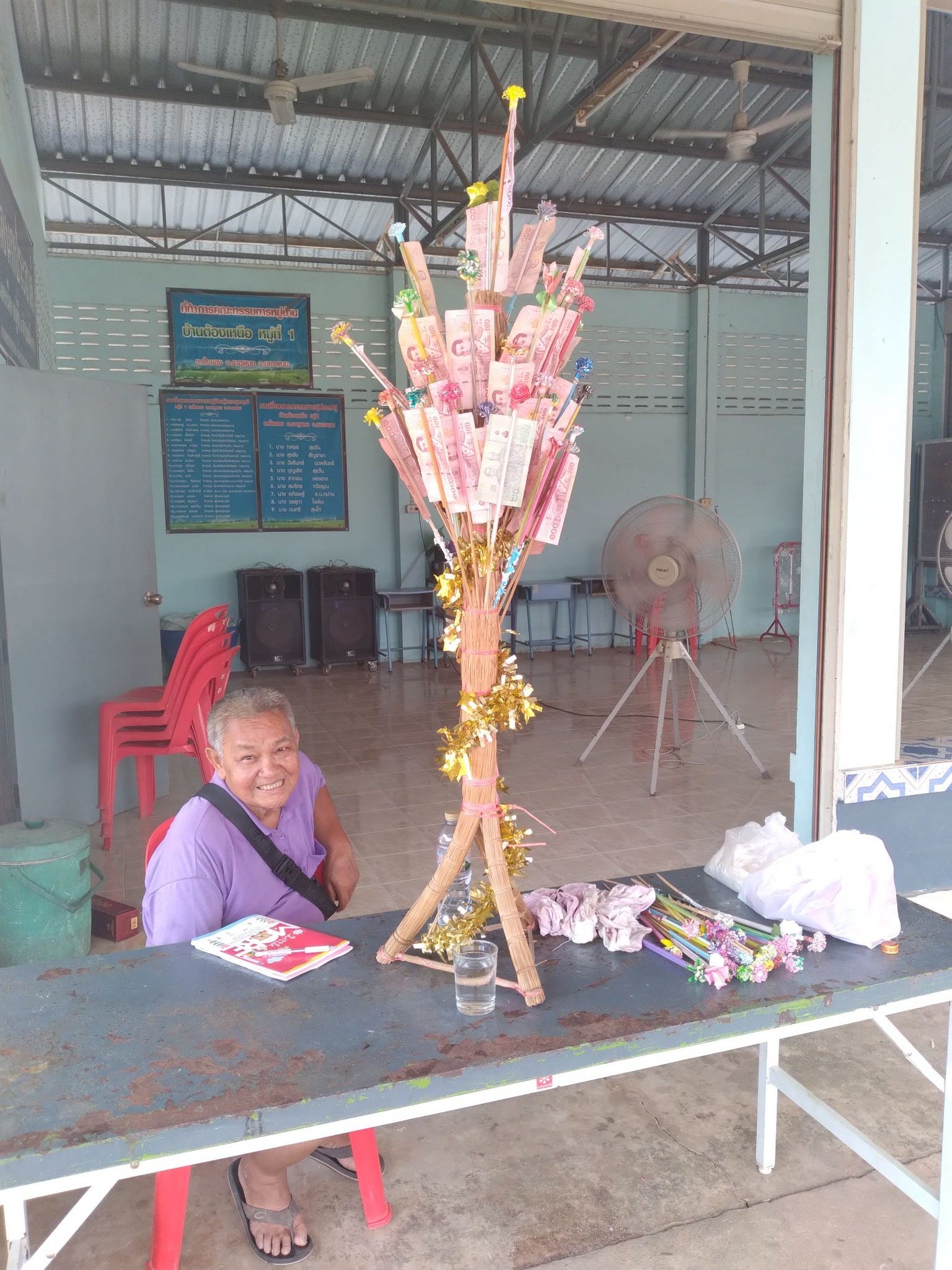
I was thinking about the paradox yesterday of being in supposedly one of the poorest regions in Thailand, during a declared energy emergency, and witnessing firsthand one of the biggest blowout bashes I’ve ever seen in my life. There were marches with overflowing money trees for days. Even the poorest farmer could find 20 baht for the collective effort.
I threw in some hundred baht bills on these. Money doesn’t grow on trees you know. Or does it?
The main concert (with smaller ones the night before and after) was worthy of any stage production by a headliner like Taylor Swift, except it went on much longer. Me and my husband gave up at 2:00 AM or so and walked back with it continuing until well after dawn. It was racuous, funny, joyful and an all out celebration.
Also apparently it happens every year in early May. So apparently we do own some land around the Thailand equivalent of Coachella.
Meanwhile in America, in its 250th year of existence, nobody seems to be celebrating much of anything. I noticed even when I left in March that nobody is waving the American flag. But the stock market breaks new highs every day the wars continue! Shouldn’t we all be rich?
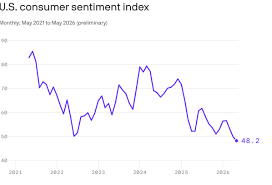
As the market broke barriers US consumer sentiment hit an all-time low in May:
I’ve been hearing rumblings about July being the pivot point on shortages from the Strait of Hormuz closure. The 4th of July would be of course the 250th year anniversary. Also a few in the astrology field are claiming something big is going to happen that month. So here’s the laid out most pessimistic viewpoint which is empty store shelves by July:

As Mark Shryock writes:
“If you can hear me, your life depends on what is in this article. I am not being dramatic. I am not overstating this. I am telling you that the data says the United States of America will run out of usable oil by July 4, 2026. Europe will run out this month. The food system that feeds you runs on diesel. Diesel runs out first.”
To me most people are fear mongering, apocalypse and psyop exhausted, so other than some bickering about whether Biden’s retarded Ukraine proxy war or Trump’s retarded Iran not a war have been worse for pain at the pump, it seems like business as usual. Our pockets get looted by both sides of the aisle but with slightly different lipstick shades on the pig.
Still surely our brilliant leaders have contingency plans?
Now a lot of the mainstream who talks about the closure of the Straight of Hormuz mention famine in the Global South, ie those poor starving peasants in places like, I don’t know, Northeastern Thailand. I don’t think so. For the past several weeks my diet has consisted of 80%-90% local and homegrown in the area food. It would make the Amish proud.
This is a random picture posted by a friend. The meal setup includes sticky rice, som tam or green papaya salad, bamboo with greens, pork with mushroom soup, dried fish, fried eggs, hot peppers and a few other things I probably forgot.
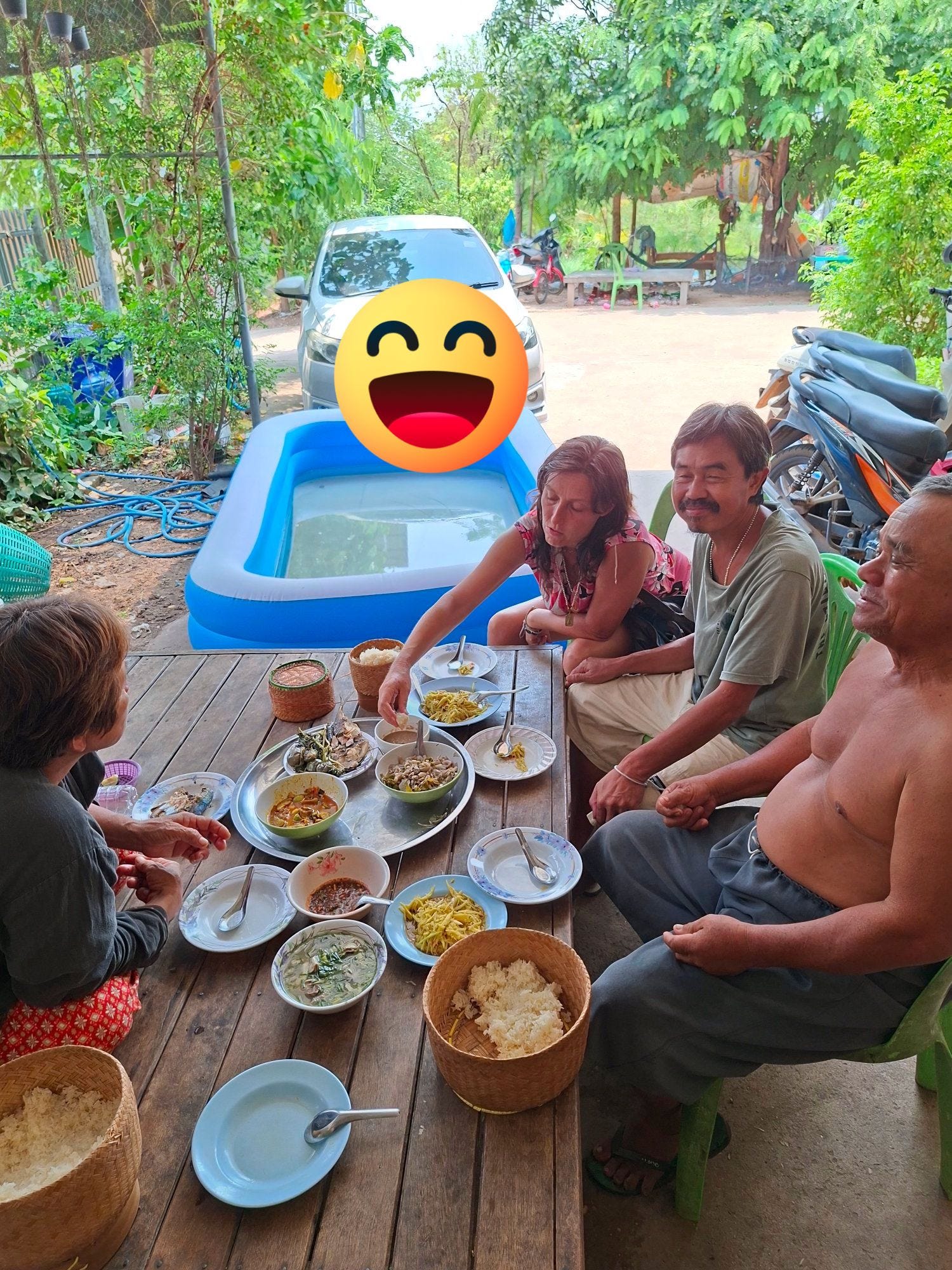
The cows are raised and slaughtered nearby, as are the chickens, as are the fish (either caught in rivers or ponds or raised in small vats as happens with catfish, frogs and shrimp). Almost every vegetable, fruit, and grain of rice was grown within a few miles of Ban Tong market. A few things, like ever popular and super expensive durian and Thai stinky bean, are harvested in the Southwest of Thailand mostly in Phang Nga one province north of Phuket, also on the extended family land.
You probably knew watermelon was edible, but did you know under ripe lotus flowers are also?
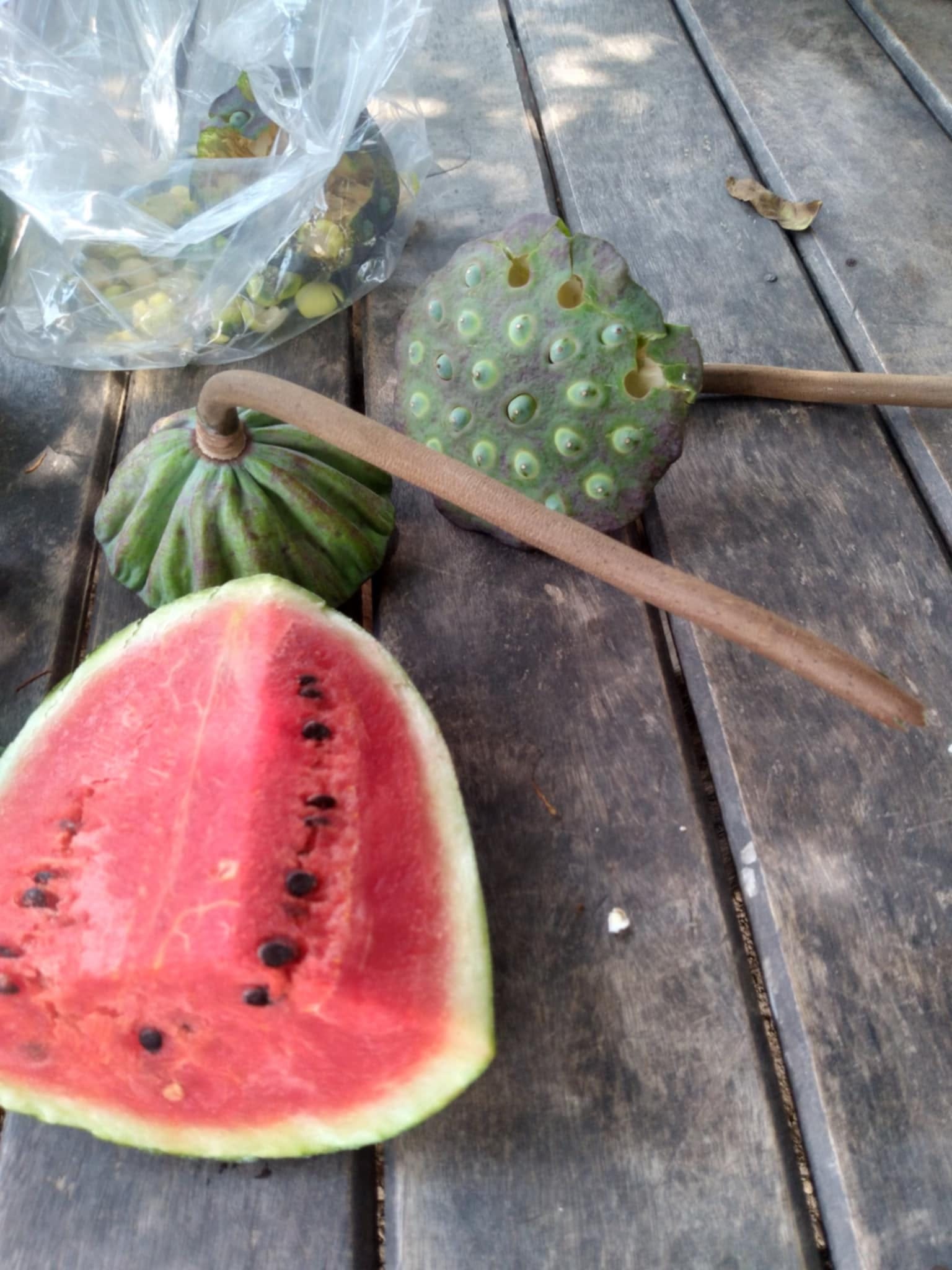
The number and variety of food offered in Nakhon Phanom is mind boggling. Practically every house has chickens, some have ducks, a few have pigs or goats, and those with some open land have cows. I’ve really been shocked at the price of beef (traditionally more expensive and hard to find in Thailand as compared to the US) at 220-300 baht per kilo ($3.00-$4.00 per pound) on some pretty decent fresh cuts. I’ve been eating a lot of beef in response.
There’s at least four varieties of mango in season, along with papaya, banana, coconut, gooseberry, limes, kumquats, oranges, tamarind and others from the trees. People grow watermelons, cantaloupes, tomatoes, peppers, multiple types of squash and goards, corn, cabbage, cilantro, lettuce, peanuts, bamboo, root vegetables such as onions, shallot, garlic, ginger, galanga, potatoes, yams, taro, sugarcane and the list gets longer every day I look. Things are also processed and preserved: small fish, beef and mushrooms are dried out in the sun, greens and cabbage are fermented as is the outside grain of rice to turn it into Sato (rice wine).
I have yet to find a Cheetos tree.
Oil can stop flowing to here because oil wasn’t a dependency built into the system to begin with. But what happens in places where 99% of food depends on faraway shipping lanes being open for business? What happens in areas where food grows on store shelves after getting offloaded from a truck if the truck can’t move? It’s going to be a little different than what happens with a mamasan riding her bicycle full of locally harvested goodies in her front basket to the local market. It doesn’t matter that she only earned 20 baht. Someone traded her tamarind with a fish caught in the Mekong River and they both went home and made Tom Yum Pla for dinner.
In America in many places who even knows where the nearest farm is? Beyond that man cannot thrive on the monocrop acres of soybeans, corn or almonds alone that he might find (much less would he want to go within a country mile of an industrial scale pig farm). It’s a long walk between those places and whatever it is he finds hasn’t even been processed yet.
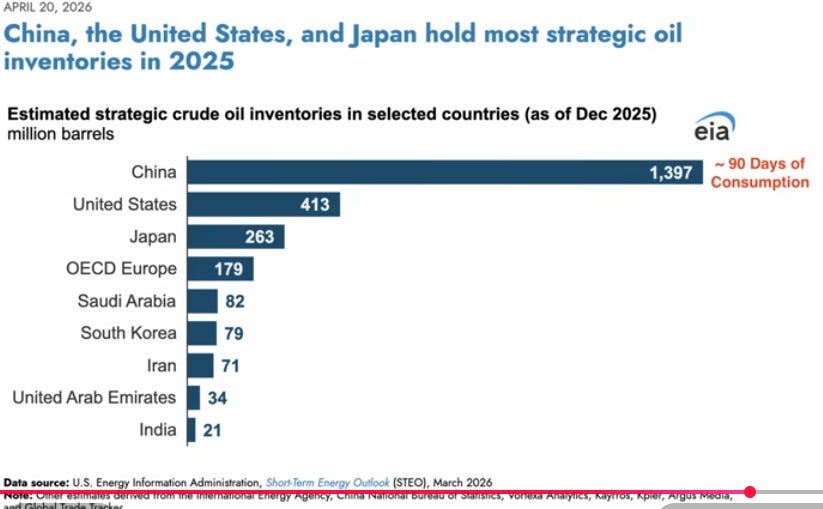
But of course is Mark Shyrock’s apocalyptic tale really backed up by data? Crude oil inventories are on drawdown almost everywhere but China holds better cards:
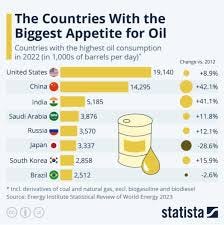
Meanwhile the US is the biggest oil consumer at around 20 million barrels per day:
Is the waterway really closed? It sounds like it mostly is:
“By the week ending May 3, Lloyd’s List reported only 40 ships crossed the strait in the entire seven-day period. That is roughly five or six per day. Pre-war traffic was 120 per day. That is a 95 percent collapse in commercial shipping through the most important oil corridor on Earth.”
Of course even if the Straight of Hormuz is closed there are pipelines and alternative ways out. I used this as a baseline. Saudi Arabia, for instance, was able to get out four million barrels per day via pipeline in early May, with plans to increase it to five million barrels per day next month. Iran was able to bring some out over a land route to China, as were a few other OPEC producers. So real traffic is only down maybe 60%.
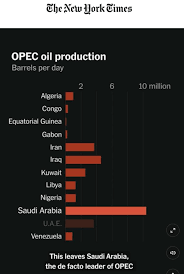
Now of course Trump has mentioned making Venezuela the 51st state based on its largest in the world oil reserves. Problem solved, right? The problem is that the infrastructure to get those reserves out of the ground and to the export market isn’t there much yet. Yes around 1.23 million barrels a day are flowing out, a recent record, but that is nowhere near covering the shortfall lost every day. My estimate is that Saudi Arabia is missing out on 5 million barrels per day alone on the Straight closure.
Maths was after all my second worst subject after foreign language.
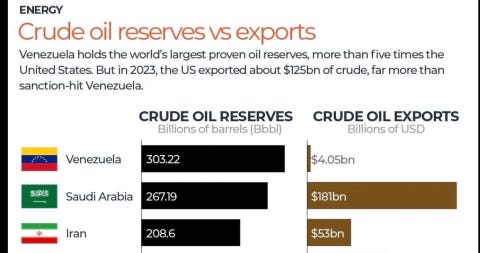
But America is a net energy producer! Why do we need anyone else’s oil? Well yes that’s actually (sort of) true. Behold the shale revolution.
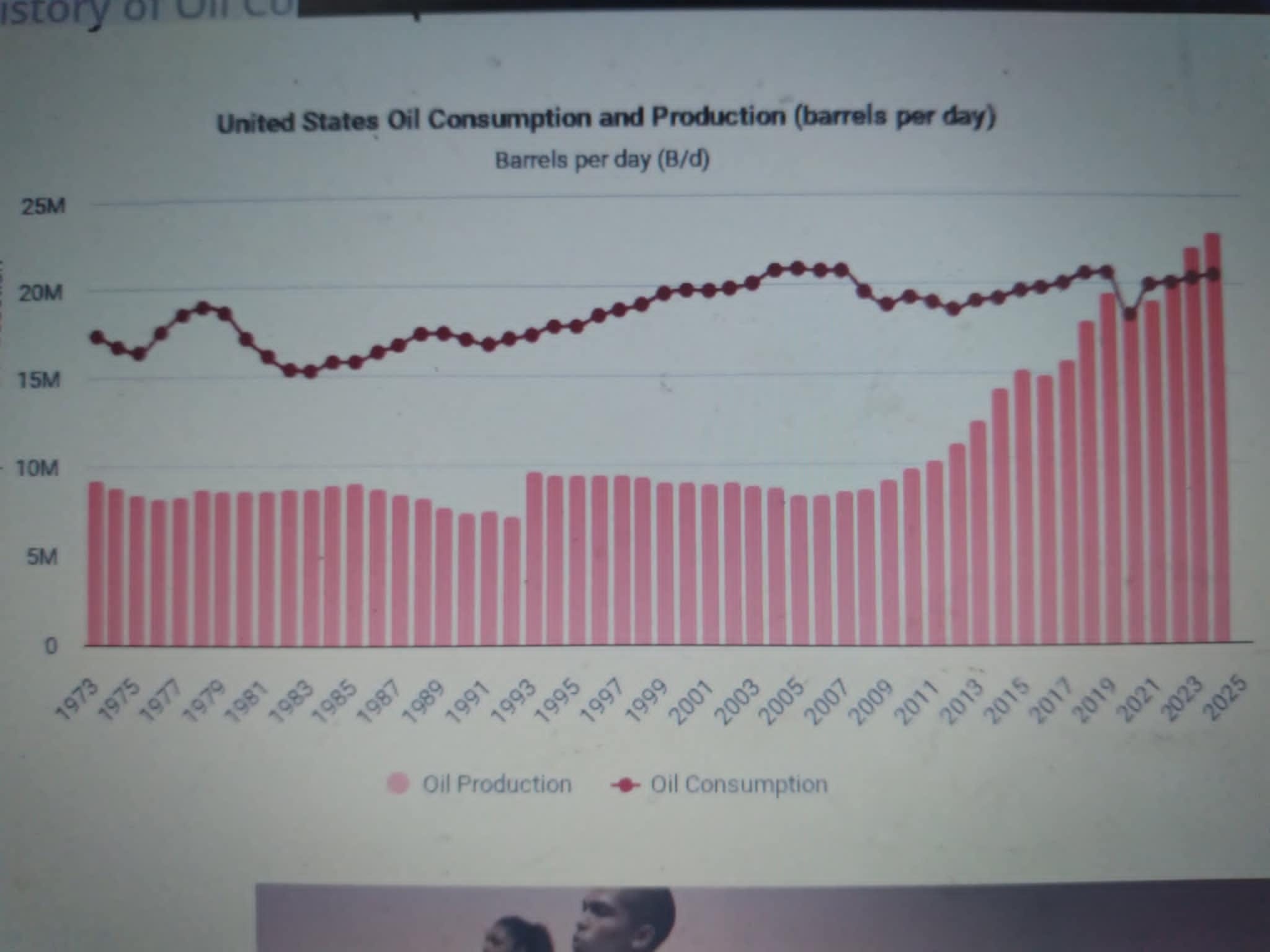
And we can all tighten our belts, right, and drive less and whatnot? No more wasteful concerts for those in America wanting to celebrate 250 years of Independence from Great Britain!
Not really. I noticed on the chart above, immediately, that the US net oil consumption only dropped by a few million barrels per day during the Covid catastrophe of 2020. This was during a time of completely empty roads, of commercial air traffic dropping 80%, of cancelled weddings, graduations, and travel to see family. I was there during the worst of it in 2020 with my essential job as a delivery driver in Las Vegas on all those empty roads, with closed casinos, shuttered venues and scared people huddled indoors. So for all of that sacrifice US oil consumption only dropped by at best 2 million barrels per day? Do you want to go back to Covid?
Houston we have a problem.
Of course before I get too apocalyptic I can see a clear early warning signal. Mark Shryock writes about it:
“Jeff Currie, senior advisor at the Carlyle Group, told Bloomberg Television on May 6, 2026, that oil storage tanks in Europe will hit tank bottoms “sometime in the month of May” and in the United States “somewhere in that July 4th period.” He said he has “never seen anything like it before.”
Stop and understand what this means.”
But in short Europe would be seeing the effects first, which should give some time to prepare. It might be all a bankers trick, but if they want us all dead anyways that doesn’t really matter.
They could cause shortages in America by exporting our oil to Europe, or just having some drones hit the refineries. If those data center monstrosities seemed bad before imagine them during a gas or water shortage to your family. And all for what? A white paper on digital ID and sustainability for people who fly on private jets?

Sigh. Of course all of this may well be theater. There’s certainly plenty of that to be found right now.
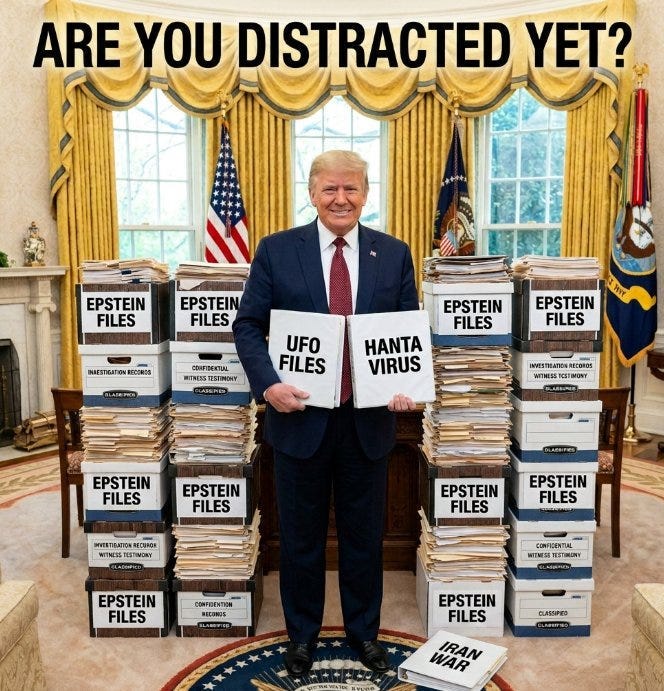

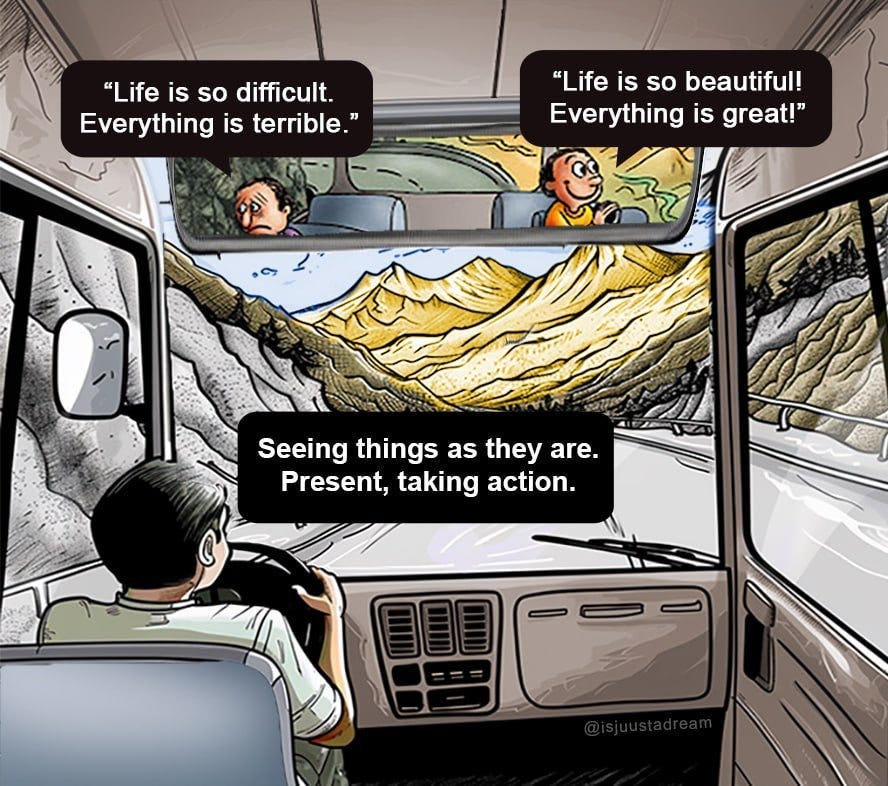
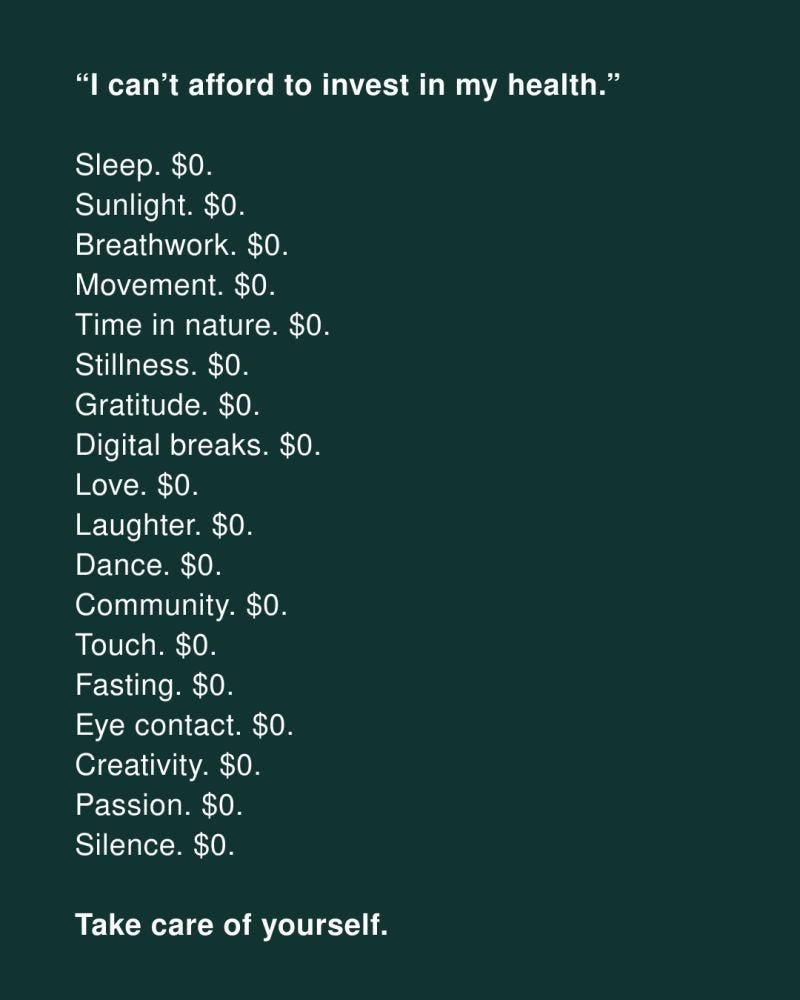
I would unplug and find yourself:

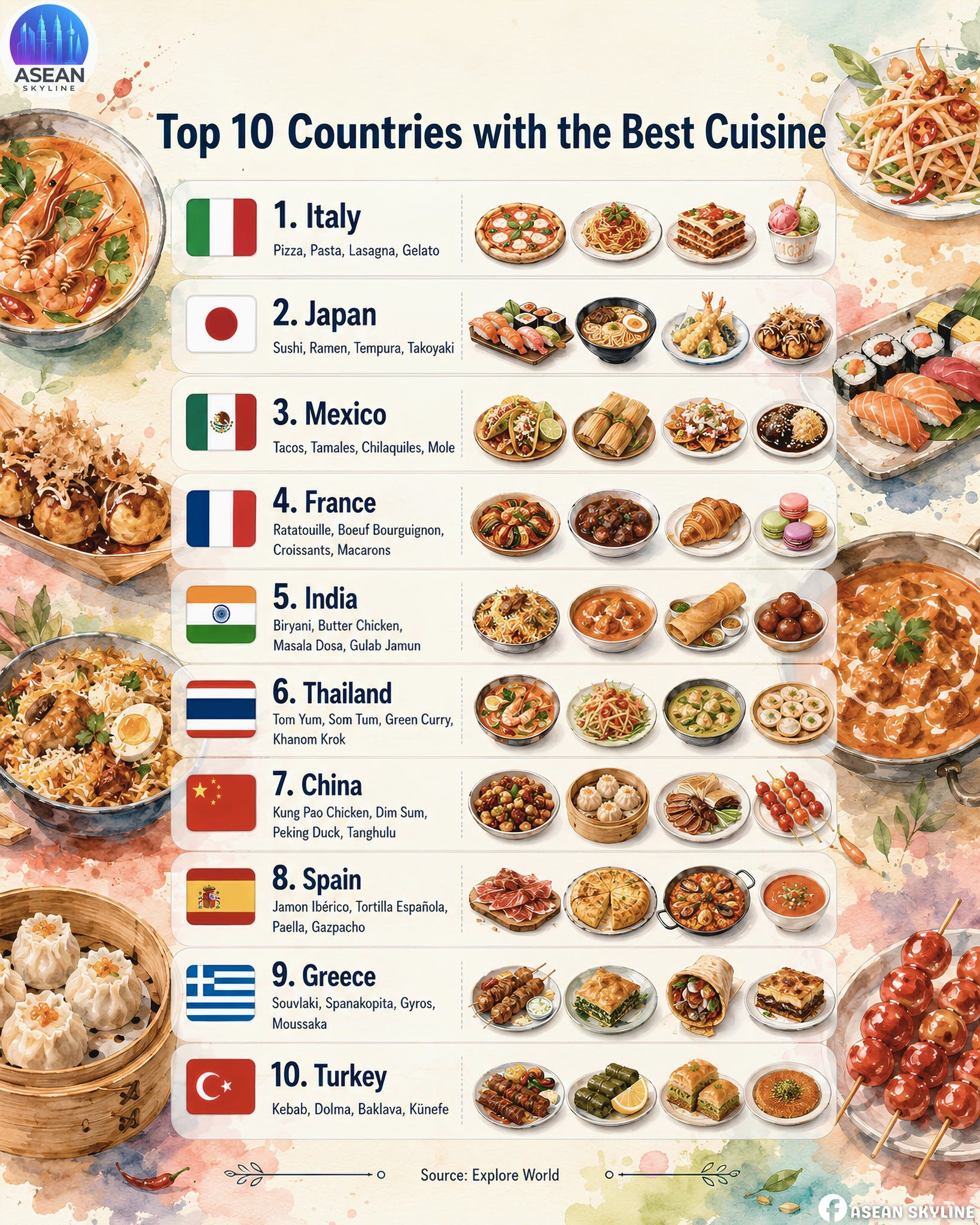
But hey speaking of cuisine what do you think of this list? I’m largely in agreement except I don’t know too much about Turkey (there was a great Lebanese restaurant in Toledo I used to love though) and India food, while delicious, is usually presented as brown unappetizing slop. They really could learn from Japan and their perfect careful presentation.
Speaking of building community exercises, I think I’d be on the back of the plane.

I do see a credible threat of shortages here, but being that I am not an expert on tank bottoms, default swaps, IMEC corridors or a bunch of other stuff it may well all be theater. If it is I’d still say the solution is the same: take care of your plot of land, wherever that is and whatever that means to you
If there were shortages coming in July though, I’d be much more worried about water shortages especially in the Southwest. Hero ball should have been over a long time ago.
What do you all think?
I used to live in a major Midwest city in the US and each Wednesday night a local sculptor opened up his large yard to the neighborhood for bring-your-own-beer drinking and live music. Great lighting as only an artist can do, sculptures and artwork, and about 80 cool informal people enjoying life.
The cops raided it for violating liquor laws.
I think Americans would get together more, but it's strangely regulated out of existence.
Well done Mrs. Sukwan!!!! Thanks for sharing pieces of your life in eastern Isaan, great that you're having a good subsistence existence! So, a few thoughts here, I'll share; there will definitely be higher electricity costs, and likely some interruptions. Packaged goods (food related) will become scarcer as costs escalate (units of energy, manufacture of plastics, tin plated steel (food tins), and shipping which is mostly diesel fuel). Thailand is very dependent on primary fuels for electricity. Essential services will take priority over the local consumer. Commercial fertilizer will be a major issue, and without it, high yield crops become low yield. Mechanized farming requires allot of fuel and "spare parts", it may become expensive, particularly with reduced crop yields.
I think the primary weakness will be experienced in "potable water". Gravity cisterns wise. Medicines will become an issue, unless the government backstops them. Things like "soaps" (dish & clothes washing) will be hoarded. (You can make this stuff with fats and lye, and lye can be made burning wood). Refrigeration is largely dependent on electricity, so have a backup of "sun dried fruit, fish, and meat", and salted eggs, fermented foods. Your neighbor is your best resource.
Several bicycles (with good tires) become more than convenience, over walking. Hand tools that don't need fuels or electricity are valuable! You're in a great place to weather what's coming.
Wish you and yours the very best! The locals there know how to live without modern conveniences!
Your health and those you care for is Numero Uno!